
Common Causes of Agitator Failures in Paper Mills
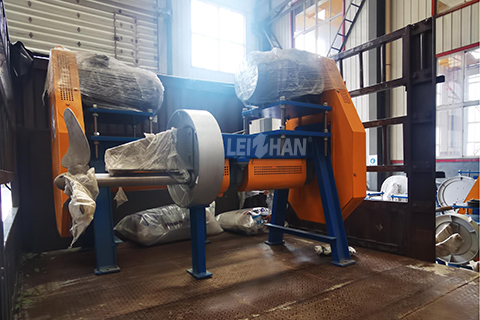
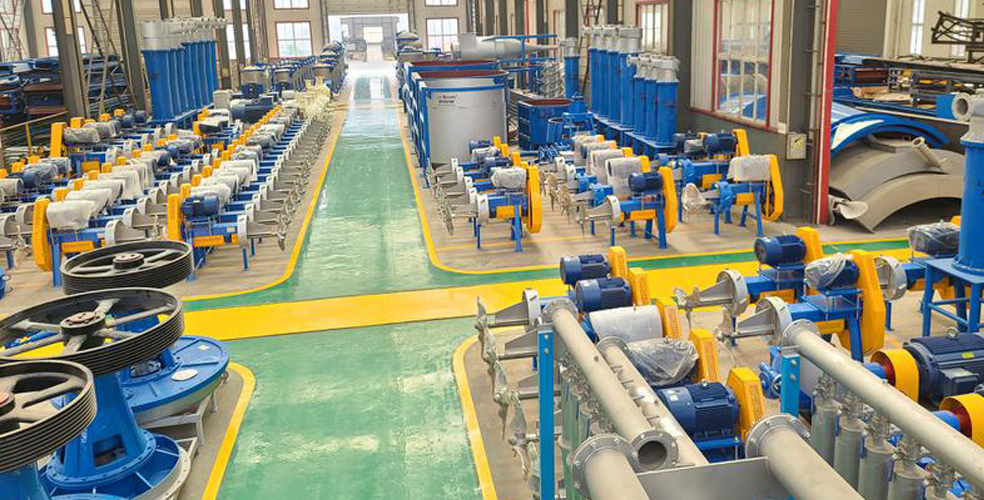
Agitators are critical components in paper mills, ensuring uniform mixing of pulp, chemicals, and additives. However, they are also among the most frequently failing equipment, leading to costly downtime and maintenance. Understanding the underlying reasons for these failures is the first step toward improving reliability. Based on industry experience and technical analysis, the main causes can be grouped into several categories.
1. Inadequate Design and Selection
One of the primary reasons for premature agitator failure is improper sizing or selection. Many agitators are designed based on ideal, continuous operation, but paper mill environments are far from ideal. Frequent start-stop cycles, sudden load changes, and variable pulp consistency impose shock loads that the equipment may not withstand. The service factor (SF) is often underestimated, especially when dealing with high-consistency pulp or abrasive fillers. If the agitator is not robust enough for these real-world conditions, components like shafts, bearings, and blades will suffer from cumulative fatigue and eventual breakage.
2. Mechanical and Installation Issues
Mechanical problems often stem from poor installation or maintenance practices. For example:
Shaft and Bearing Stress: Long agitator shafts experience significant bending moments due to the resistance of thick pulp. This adds extra stress beyond the calculated torque, leading to shaft deflection, bearing overload, and premature wear.
Impeller Imbalance: Over time, impeller blades may loosen or wear unevenly. If not rebalanced correctly during maintenance, vibration increases dramatically, accelerating damage to seals and bearings.
Foundation and Drive Problems: Loose foundations, incorrect belt tension, or misaligned pulleys transmit excessive vibration to the agitator, causing rapid deterioration of mechanical parts.
3. Harsh Process Conditions
Paper mill slurries are inherently aggressive:
Abrasion: Solid particles such as calcium carbonate, clay, and fibers continuously wear down mechanical seals, shaft sleeves, and impeller surfaces.
Corrosion and Temperature: Chemicals like white liquor can corrode metal components, while temperature fluctuations affect material strength and seal elasticity.
Consistency Fluctuations: Sudden changes in pulp consistency (e.g., when adding broke) cause wild load swings, subjecting the agitator to repeated overload conditions.
In summary, agitator failures in paper mills are rarely due to a single factor but rather a combination of design shortcomings, installation errors, harsh media, and control deficiencies. Addressing these issues requires a holistic approach—from proper selection to rigorous maintenance and modern control strategies. For more details, please contact us at leizhanworld@gmail.com